Why is Monaco referred to as the “crown jewel” of the F1 season?
Why is Monaco referred to as the “crown jewel” of the F1 season?
Monaco Grand Prix
Monaco earns its “crown jewel” reputation in the Formula 1 calendar for a mix of history, prestige, and sheer spectacle that no other race quite matches.
Legacy
First, there’s the legacy. The Monaco Grand Prix has been running since 1929, making it one of the oldest and most iconic races in motorsport. It’s also part of the unofficial “Triple Crown of Motorsport,” alongside the Indianapolis 500 and the 24 Hours of Le Mans. Winning in Monaco instantly elevates a driver’s legacy.
Location
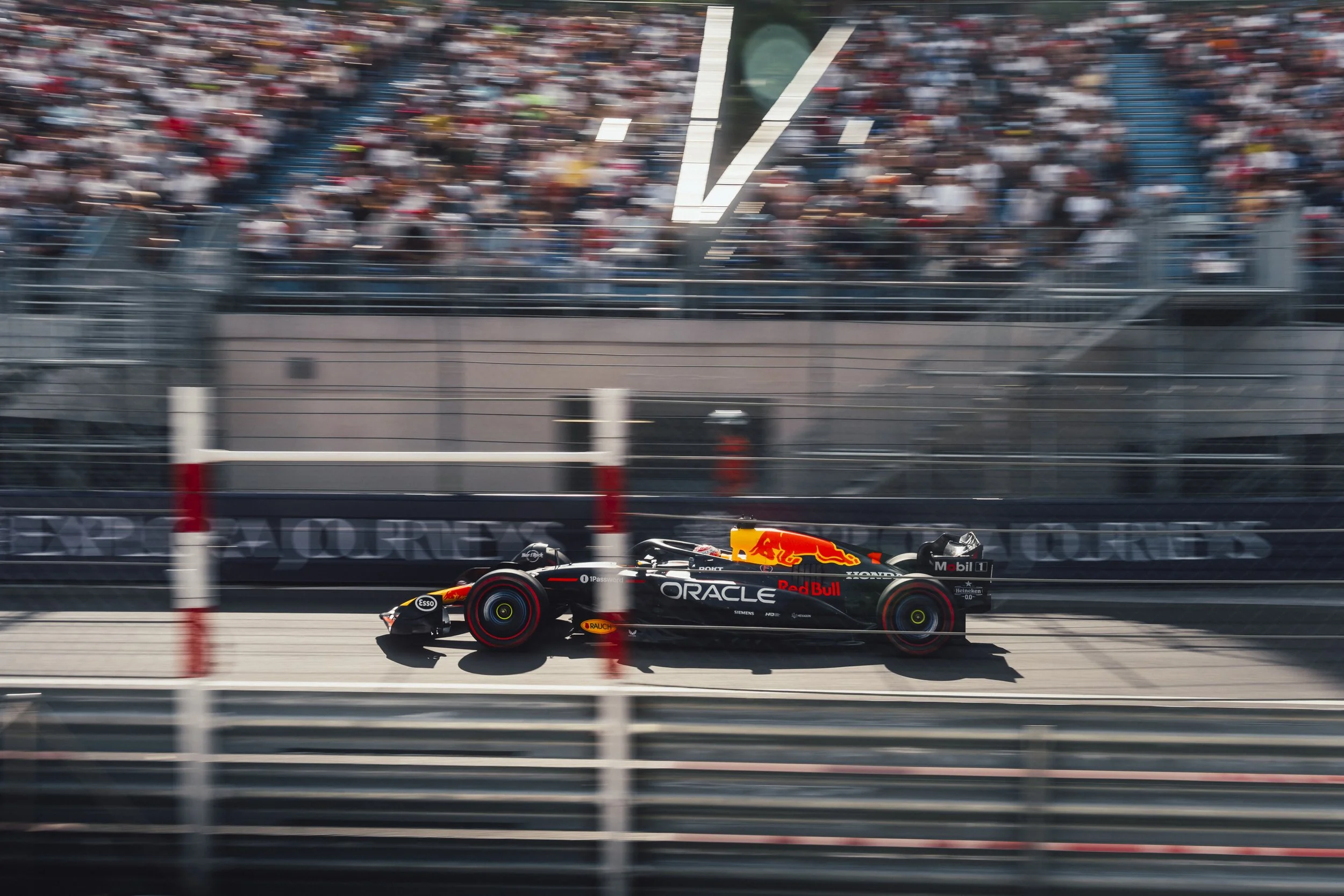
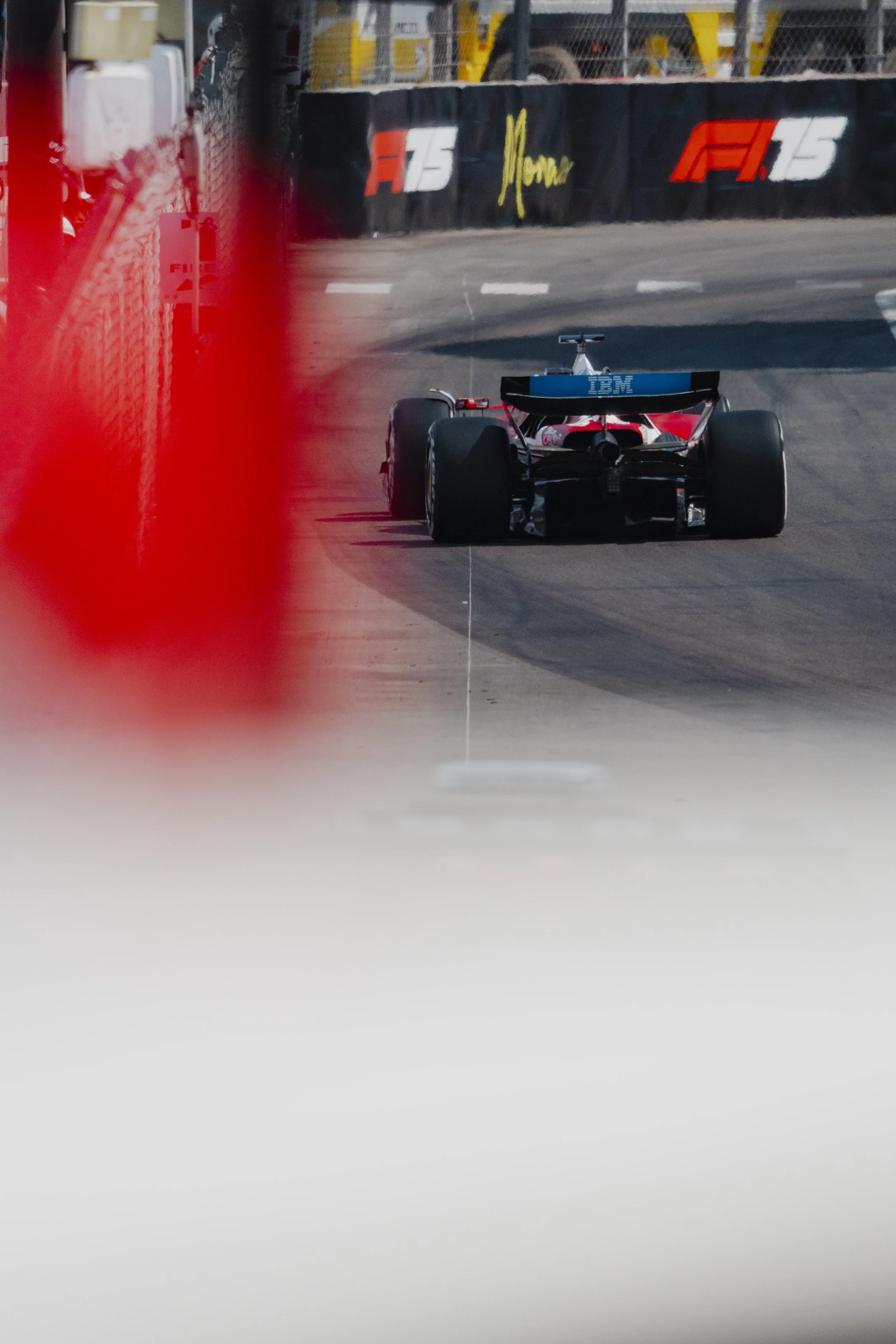
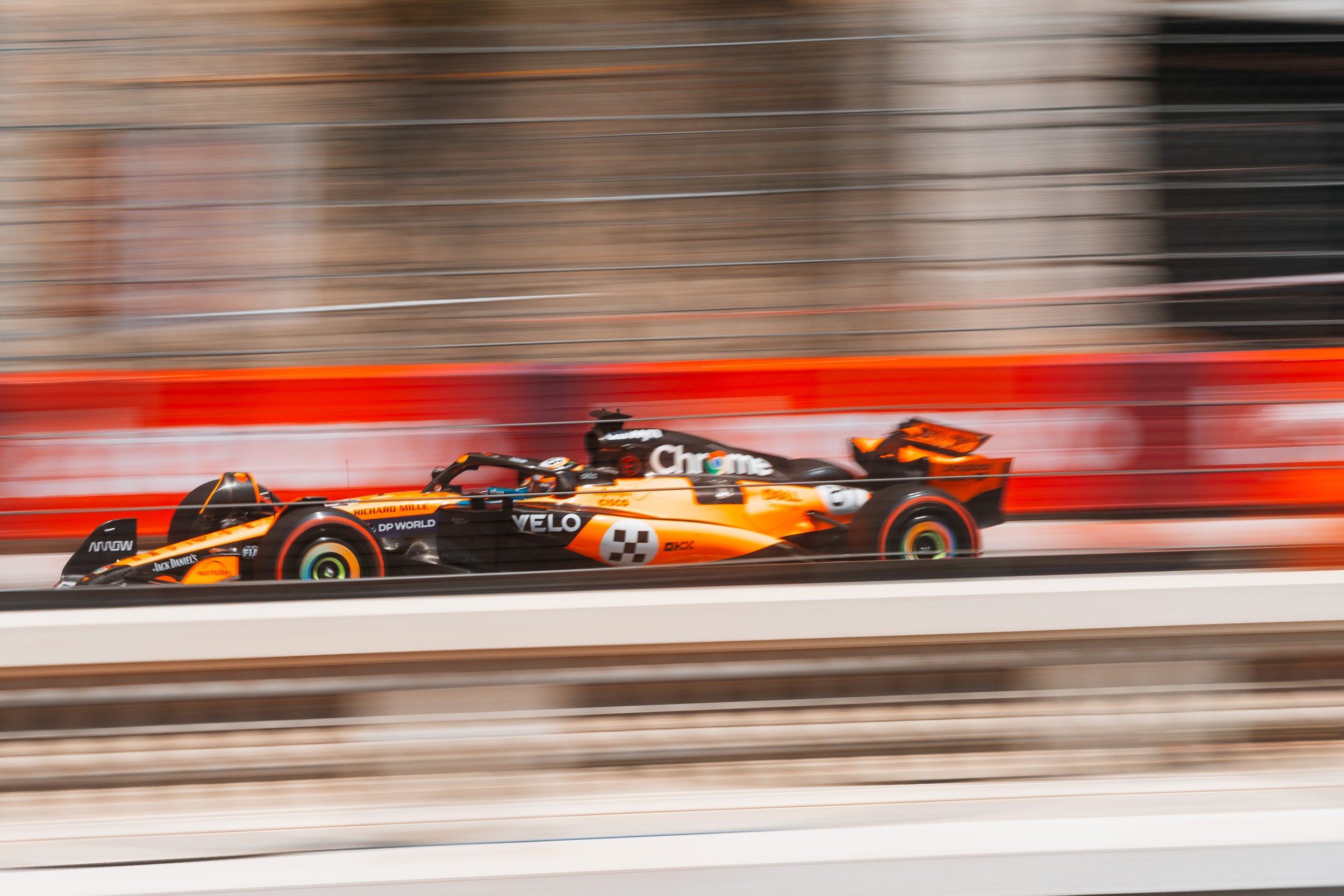
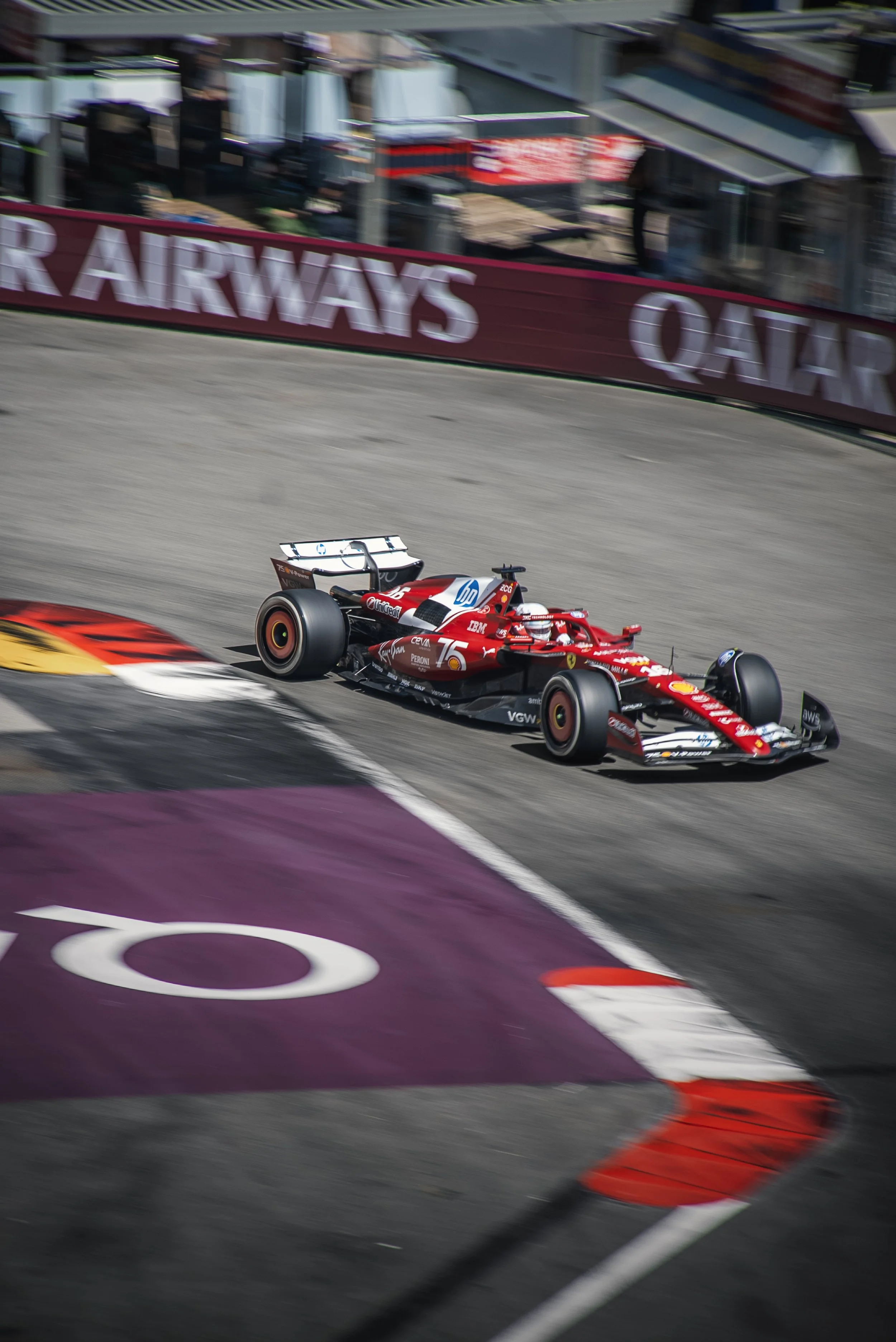
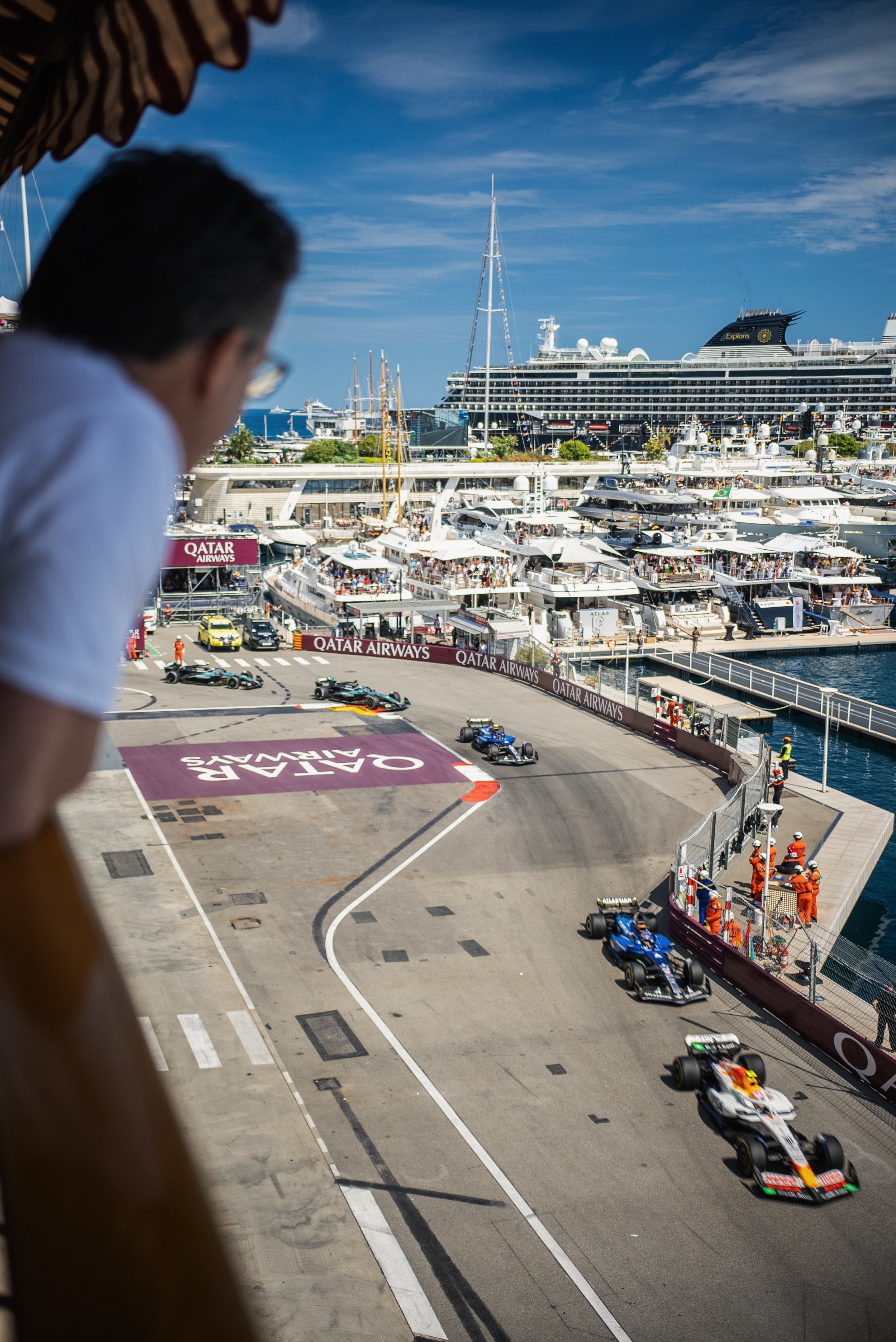
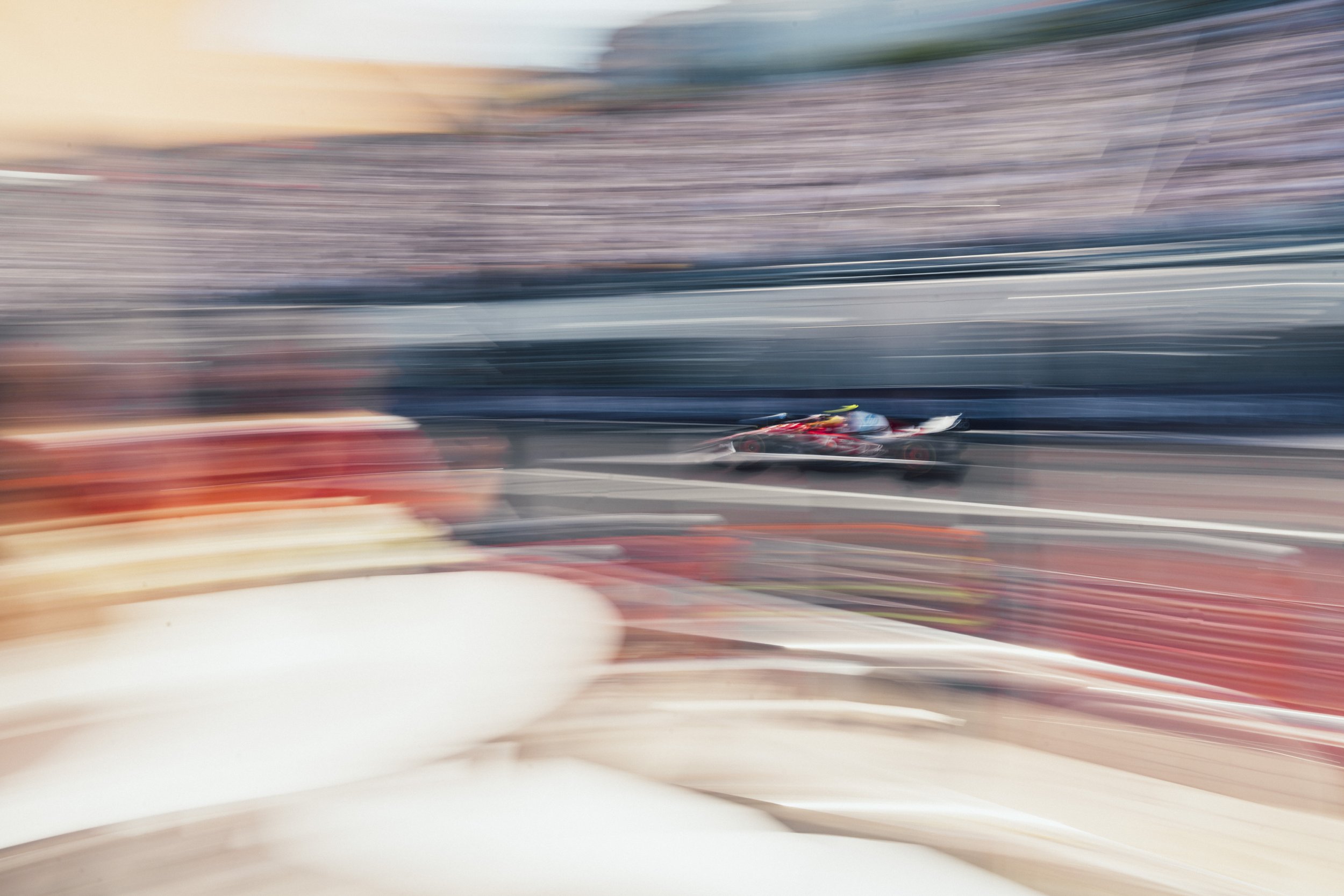
Then there’s the setting. The race winds through the streets of Monte Carlo, with tight corners, elevation changes, and famous sections like the Fairmont Hairpin and the tunnel. Unlike modern tracks built for speed and overtaking, Monaco is narrow and unforgiving—barriers are inches away, leaving zero margin for error. Precision matters more than raw pace, which makes it one of the ultimate tests of driver skill.
Glamour
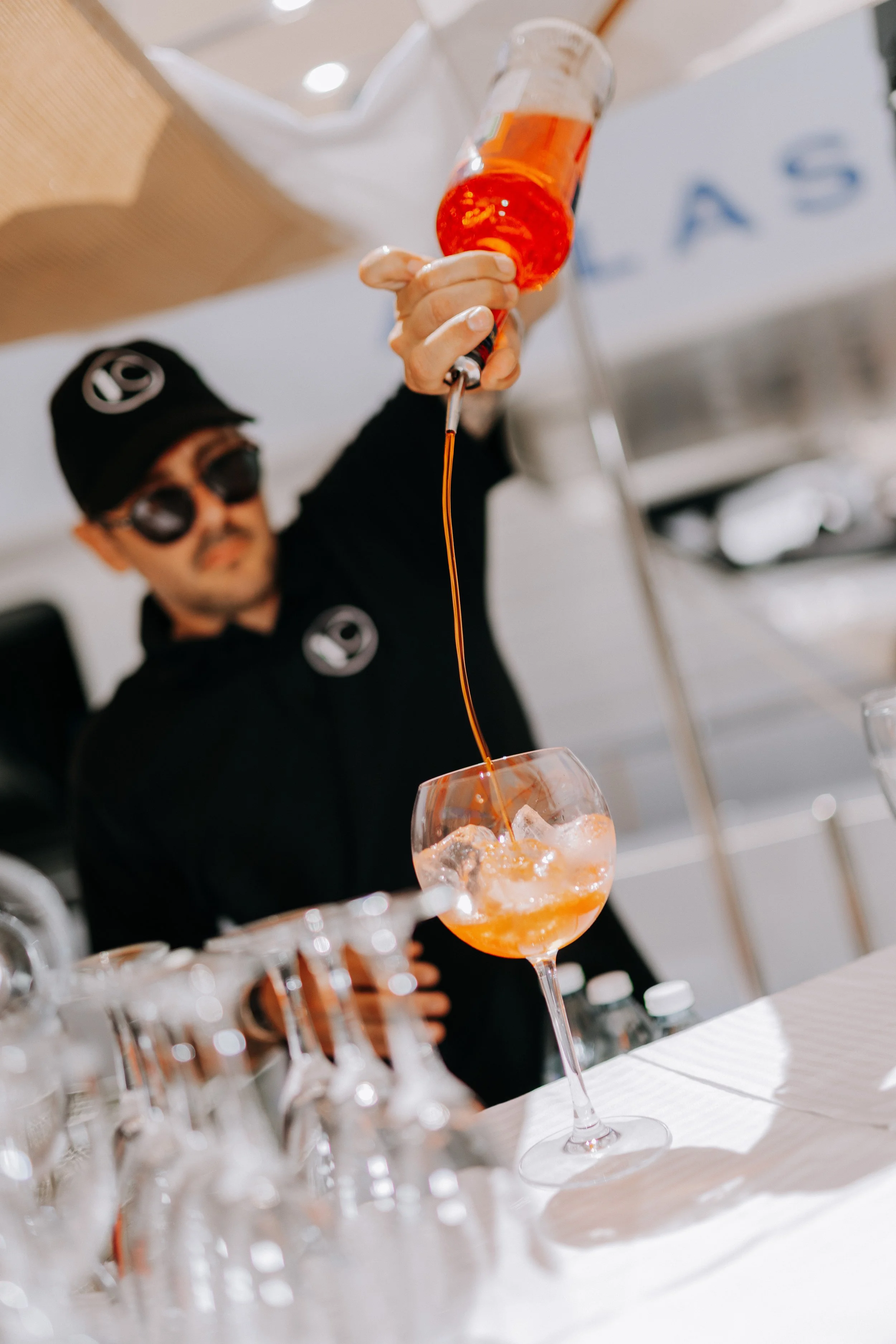
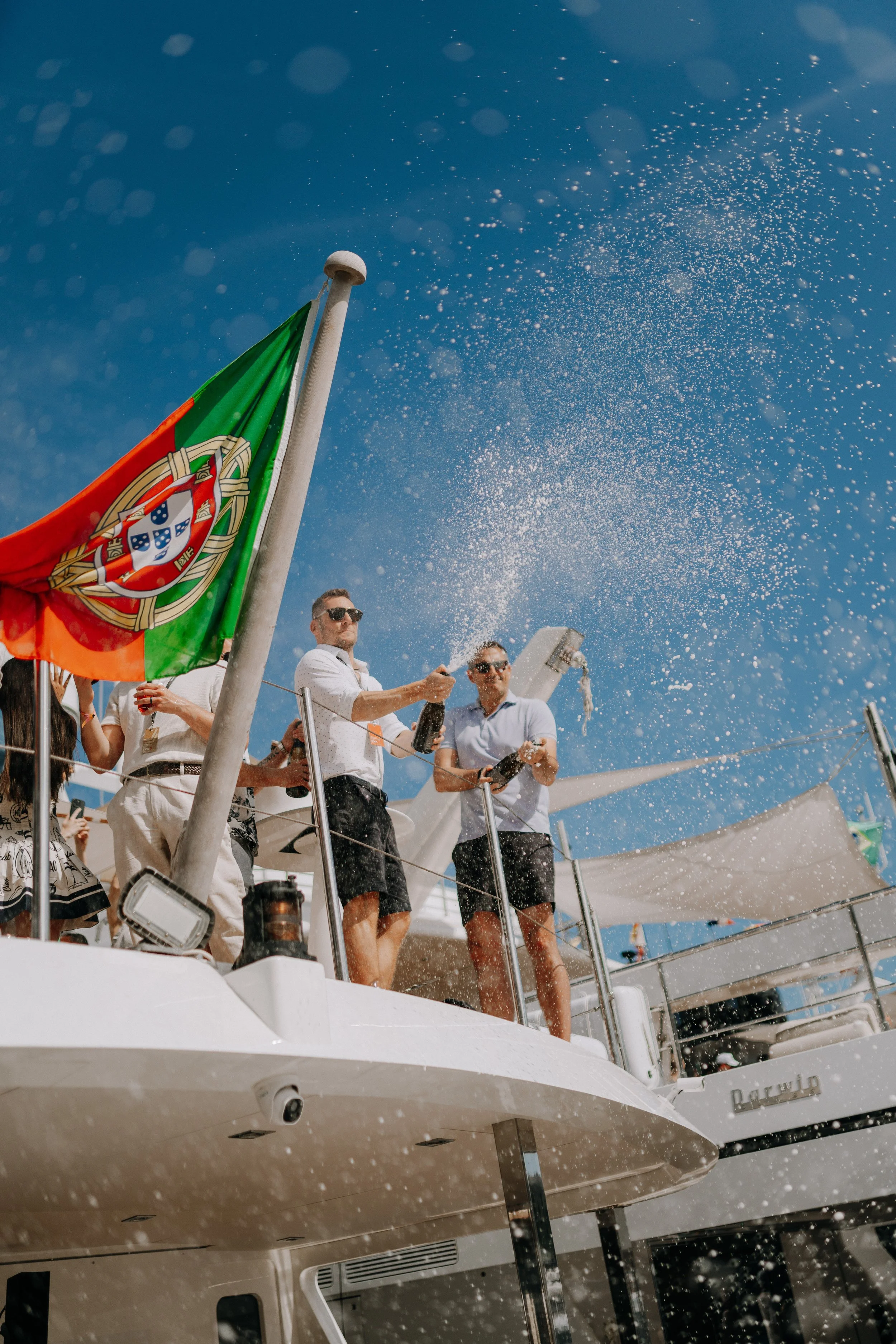
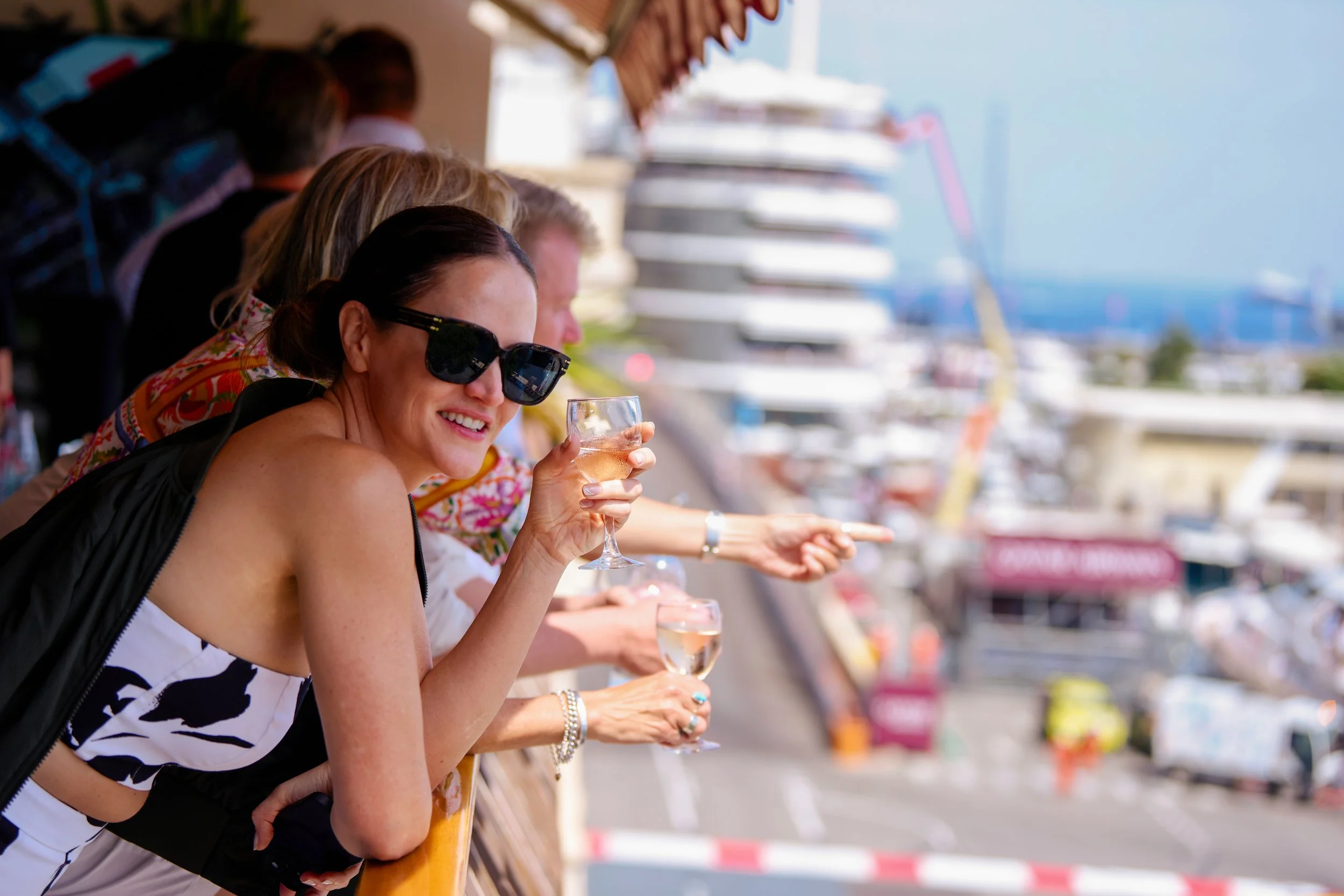
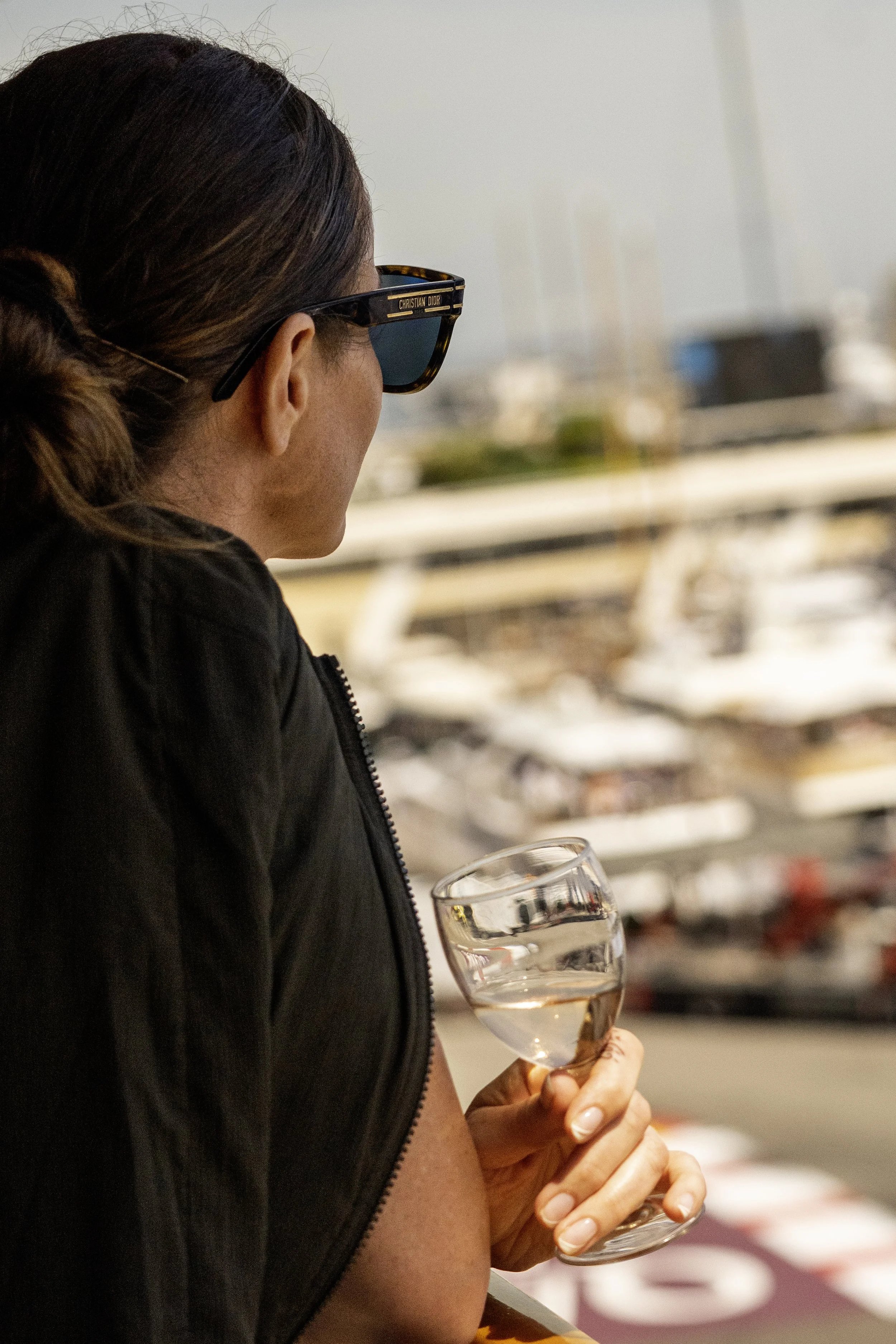
The glamour factor is just as important. Monaco is synonymous with luxury—superyachts in the harbor, celebrities on balconies, and a backdrop of casinos and high-end hotels. The race attracts global attention not just from sports fans, but from the worlds of fashion, film, and business, turning it into a cultural event as much as a sporting one.
Atmosphere
Finally, it’s the atmosphere. Because the circuit is embedded in a city, fans are incredibly close to the action. The roar of engines echoing off buildings, the cars brushing past barriers, and the high-stakes nature of qualifying (often more important than the race itself) all contribute to a uniquely intense experience.
Put all that together—heritage, difficulty, prestige, and glamour—and Monaco stands apart. It’s not just another race; it’s the one every driver dreams of winning, which is exactly why it’s called the “crown jewel” of Formula 1.