

F1 2026: New Teams, New Rules, A New Era Begins
It All Begins Here
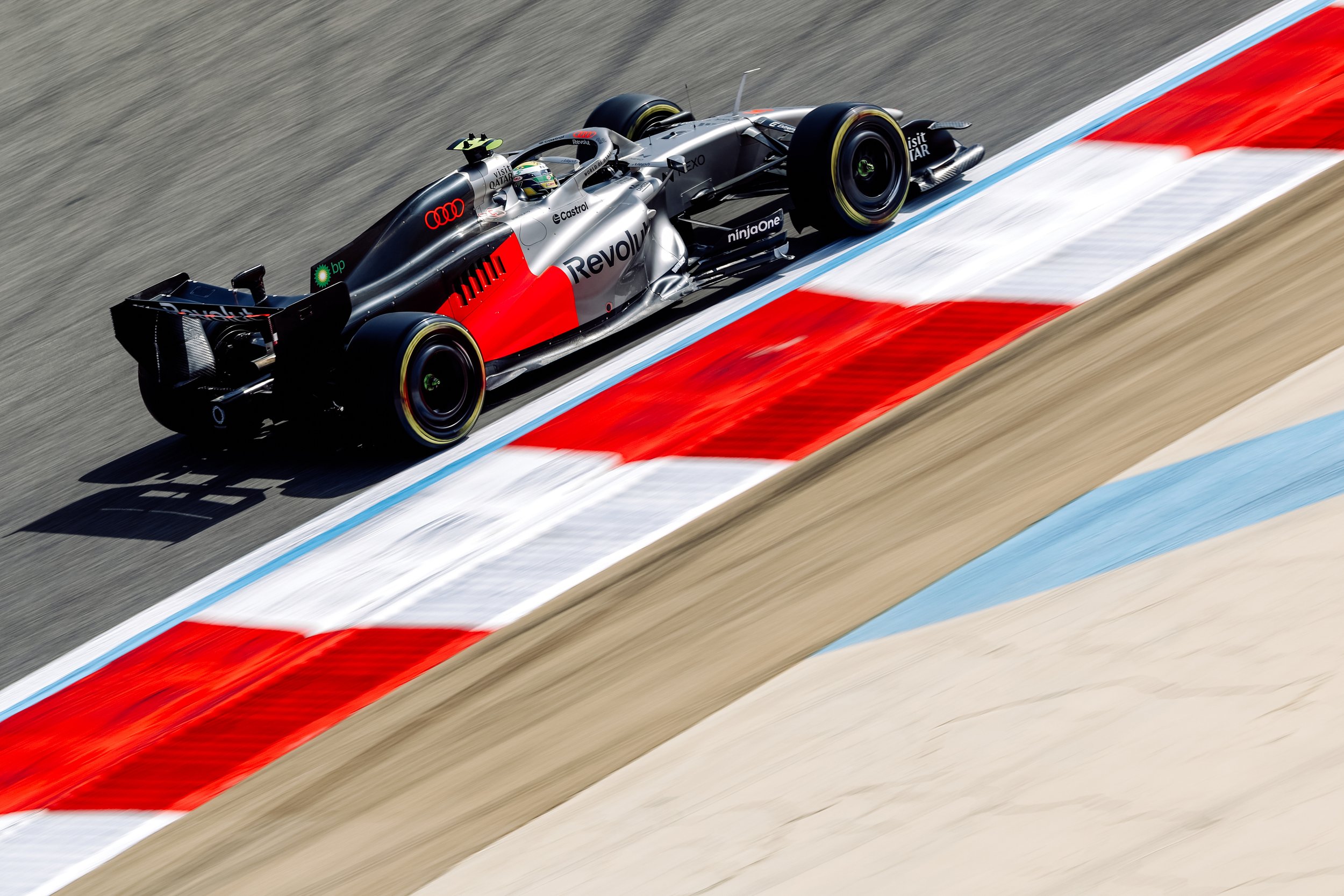
Bahrain Pre-Season Test
he 2026 season marks one of the most significant reset moments in the history of F1. With sweeping regulation changes, the arrival of new manufacturers, and an expanded competitive landscape, the championship is stepping into a transformative phase that could redefine the sport for the next decade.
This isn’t just another regulation tweak. It’s a structural evolution — technical, commercial, and competitive.
A New Power Unit Philosophy
At the heart of 2026 lies a radical shift in engine regulations. The new power units retain the 1.6-litre V6 turbo architecture but introduce major changes:
Increased electrical power output, bringing the split closer to 50/50 between internal combustion and electric power.
Removal of the MGU-H, simplifying the hybrid system.
Fully sustainable fuels, reinforcing F1’s commitment to net-zero carbon goals.
Cost controls on power unit development, aimed at long-term stability.
New Manufacturers, New Ambitions
2026 welcomes a reshaped engine landscape.
Audi enters Formula 1 as a full works operation.
Ford Motor Company partners on a new power unit project, marking a high-profile return to F1.
General Motors aligns with the grid’s expansion plans, signalling serious American investment in the championship’s future.
The influx of automotive giants signals confidence in F1’s long-term vision. With more manufacturers comes the potential for greater competitive variation — and perhaps the disruption of the established competitive order.
Sustainability Meets Spectacle
Formula 1’s push toward sustainability is no longer a background narrative — it’s central to its identity.
The shift to advanced sustainable fuels demonstrates that performance and environmental responsibility are no longer mutually exclusive. The championship is positioning itself as a high-speed laboratory for future mobility solutions, blending elite motorsport with technological relevance.
For fans, this doesn’t mean less excitement. If anything, it adds a compelling layer: the fastest cars in the world powered by the fuels of tomorrow.
A Global Championship
With growing American involvement and continued global expansion, Formula 1’s cultural footprint is larger than ever. The 2026 era begins at a time when the sport enjoys unprecedented mainstream momentum.
New teams, new investors, new fans — the grid is not just evolving mechanically, but demographically and commercially.
2026 has all the ingredients to become the next landmark chapter.
New teams bring ambition.
New rules bring uncertainty.
New technology brings opportunity.
And in Formula 1, uncertainty is where the magic happens.
The lights will go out on a new era — and nobody truly knows who will emerge first into Turn 1.